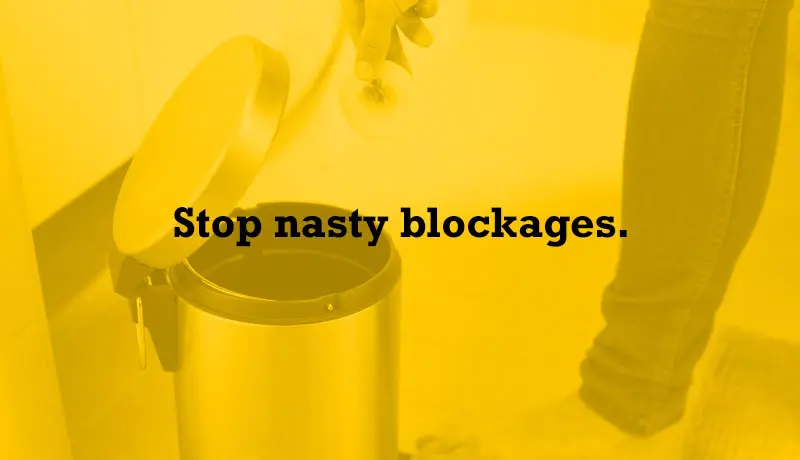
Be aware – Trash can block the sewer!
Tip: place a trashcan in the toilet.
Thrash or different objects thrown into the sewers can cause blockages, which cause the sewage water to flood – into apartments or the environment. Therefore, do not put anything into the sewers, which does not belong there. Please dispose of trash properly.
Sort into the mixed waste container or combustible waste (Please follow the instructions of your municipal waste disposal facility):
• Liquid fat in sealed containers
• Diapers, tampons and sanitary napkins
• Cotton swabs and cotton
• Pet litter and sand
• Hair
• Cigarette butts
• Condoms
• Fibre cloths and thick tissue paper
• Sand
Place into the bio waste container:
• Solid and solidified fat
• Small amounts of liquid fat or food oil absorbed into paper
• Food leftovers
• Vegetable and fruit peels, egg shells
• Coffee and tea grounds
• Soil
• Flushable – products
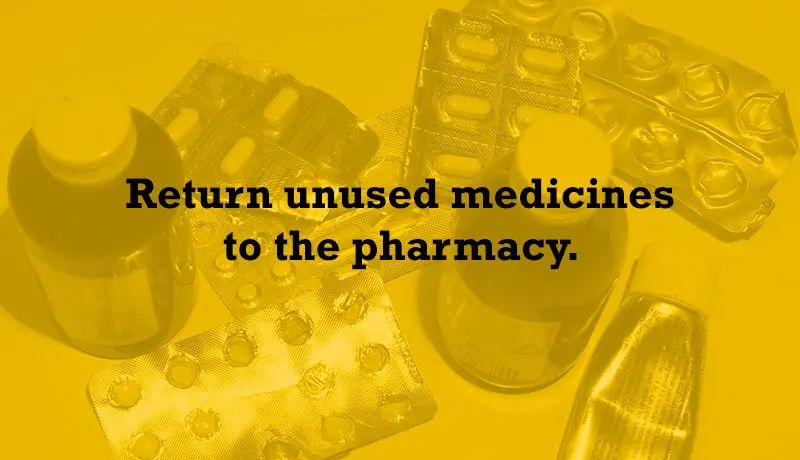
Hazardous waste only to the hazardous waste disposal!
Several chemicals used at home are dangerous for example to the water environment. To dispose of hazardous waste the right way and halt their journey to the environment, a correct collection point must be utilised.
Sort into the hazardous waste collection point:
• Paints, glues and varnish
• Solvents such as acetone and turpentine
• Oil and grease
• Acids such as battery acid and formic acid
• Alkaline detergents
• Pesticides
Please dispose of non-used and out-dated medicinal products at the pharmacy!
Avoid harmful substances
Home is full of products that contain various substances and chemicals. Some of these sneaky substances are dangerous for the environment. Hazardous substances from clothes and textiles can enter sewers and even natural water systems through washing. Hazardous substances from objects will be released through time into the air and additionally to waters and the environment as dust.
Choose the products you use carefully!
Environmentally friendly working methods in the kitchen
Don’t pour fat into the sewers
Liquid fat should be sealed in a container and disposed of with mixed waste
Solidify hard fats and dispose of them with bio waste
Utilise environmentally friendly detergents
Avoid using anti-bacterial detergents
Choose a frying pan which does not contain a non-stick PTFE coating
How to protect the environment while cleaning
Utilise environmentally friendly detergents
Use a good cloth to get rid of dust even without detergents
Avoid antibacterial and disinfecting solutes
Use proper portions of washing agents
Vacuum regularly, because some harmful substances cling onto dust
Remember this when you are shopping
The concentrations of harmful substances are small in many products (for example clothes, other textiles, furniture, home electronics, shoes and purses) and they have not been marked in the same way as chemicals.
Environmental labels help you make rational decisions when you shop:
The Nordic Swan label

EU-Ecolable
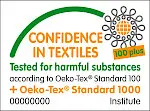
Ökö-Tex standard 100
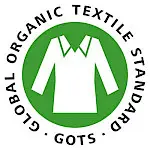
The Global Organic Textile Standard
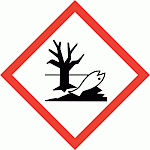
Avoid chemicals that are dangerous to the environment. You recognize them from this symbol:
You can ask the retailer for information regarding the contents of a product: https://echa.europa.eu/chemicals-in-our-life/how-can-i-use-chemicals-safely/use-your-right-to-ask
Sustainable practise while renovating
- Dry brushes well with cloths before washing
- While renovating and building, utilise environmentally friendly materials
- Place into the hazardous waste containers:
- Non-used paints, varnishes or oils
- Detergents such as acetone, turpentine or paint thinner
- Non used oil and grease
Be smart when using medicines
- Return unused and out-dated medicinal products to the pharmacy
- Only buy the amount of medicine you need
- Use the products as instructed
Useful links
Each municipality recycles and sorts its garbage slightly differently depending on the end use. Find your local waste management company on a map to help you out with what goes where. Finnish Solid Waste Association, members: Jäsenistö
- Tukes: Household chemicals | Finnish Safety and Chemicals Agency (Tukes)
- Europeiska kemikaliemyndigheten (ECHA).
- Kierratys.info | Kierratys.info What you want to recycle?
- Farligt avfall: Vaarallinenjate.fi – tunnistus, lajittelu ja käsittely
- www.vesi.fi/sv/ sivusto: Källa till forskningsdata om vatten
- CosmEthics
- Baltic Sea Action Group BSAG: Hem - Baltic Sea Action Group
Broschyrer
IThe brochure provides guidance in several languages, including English, Russian, Somali and Arabic, on what must not be flushed down the toilet. The brochure can be displayed in the entrance hall or stairwell of an apartment building.
Finska – svenska – engelska: isannoitsija_suomi_ruotsi_englanti (pdf) (1.7 MB):
Finska – ryska – engelska: isannoitsija_suomi_englanti_venaja (pdf) (1.6 MB):
Ryska – somali – arabiska: isannoitsija_venaja_somali_arabia (pdf) (1.7 MB):
I Pytty-broschyren finns information om ämnen som kan orsaka stopp i avloppsledningarna.
Finska: Pyttyesite Tukkiva jate Suomi (pdf) (2.7 MB):
Svenska: Pyttyesite Tukkiva jate Ruotsi (pdf) (2.7 MB):